Today on R&D World
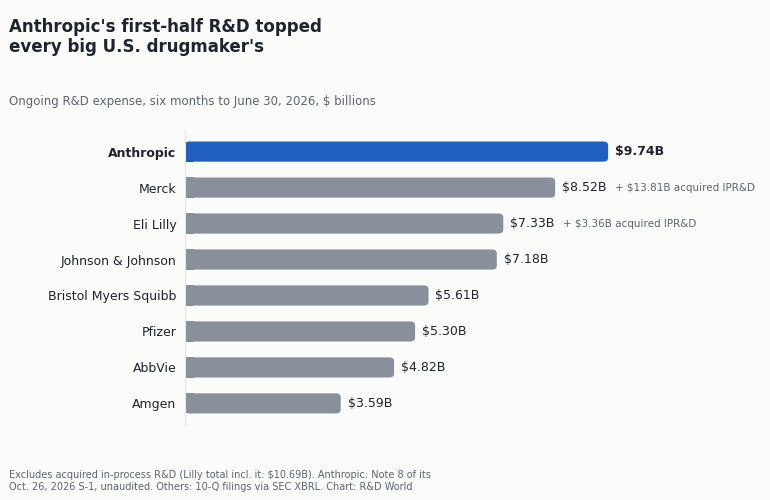
Anthropic’s R&D budget now rivals Eli Lilly’s
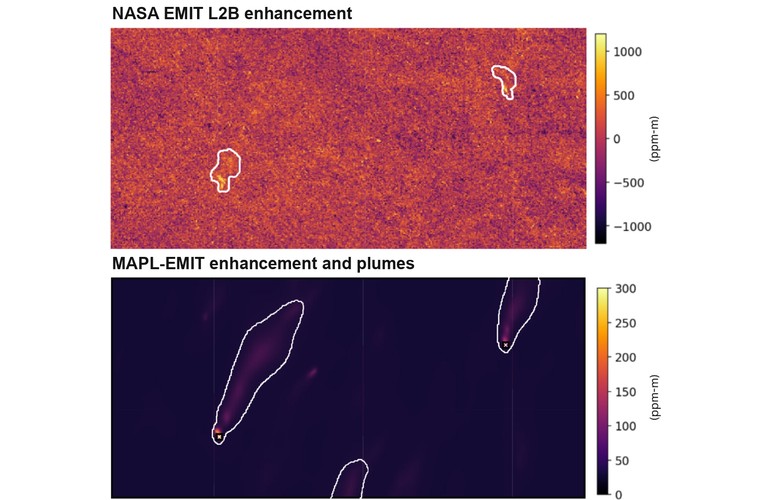
Google AI finds more methane plumes in NASA satellite data
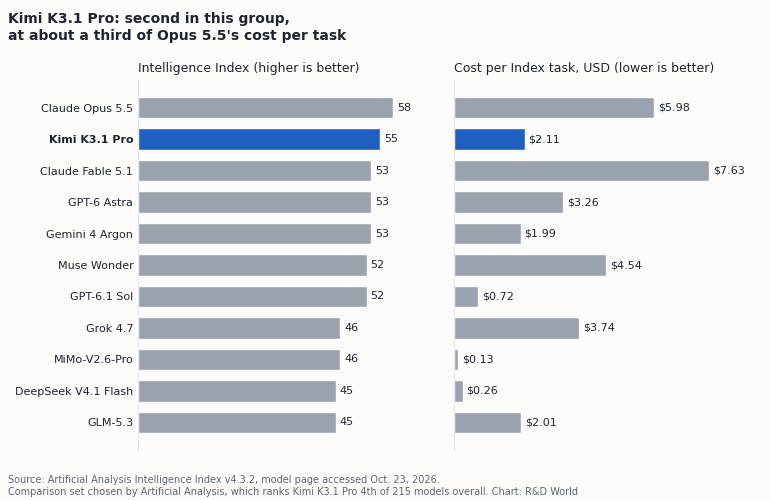
How Kimi K3.1 Pro stacks up against Claude Opus 5.5 and GPT-6 Astra
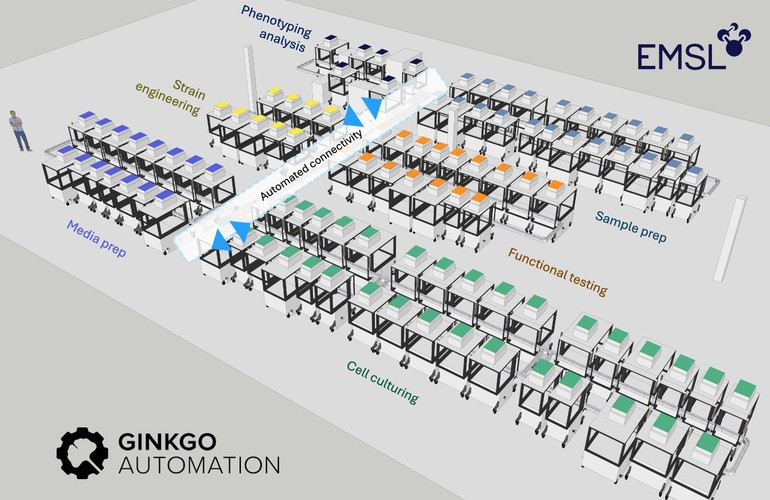
PNNL breaks ground on a 100-instrument autonomous microbe lab that will open to outside researchers in 2029
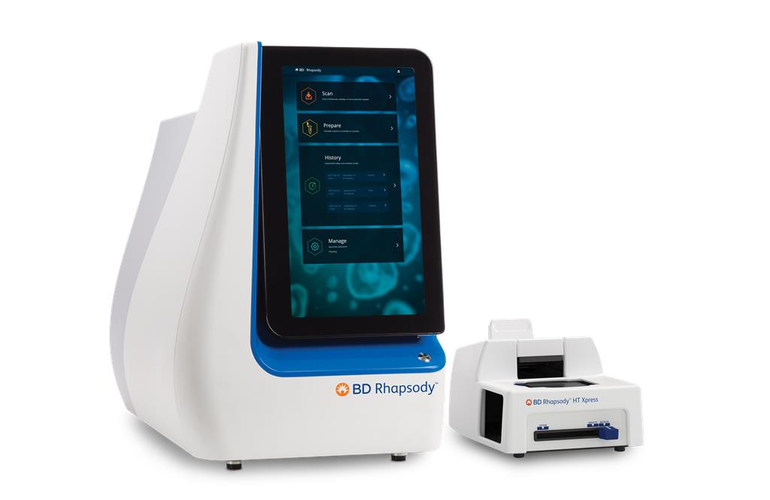
100 million data points per blood sample: How IMU will profile immunity across 80,000 UK Biobank donors
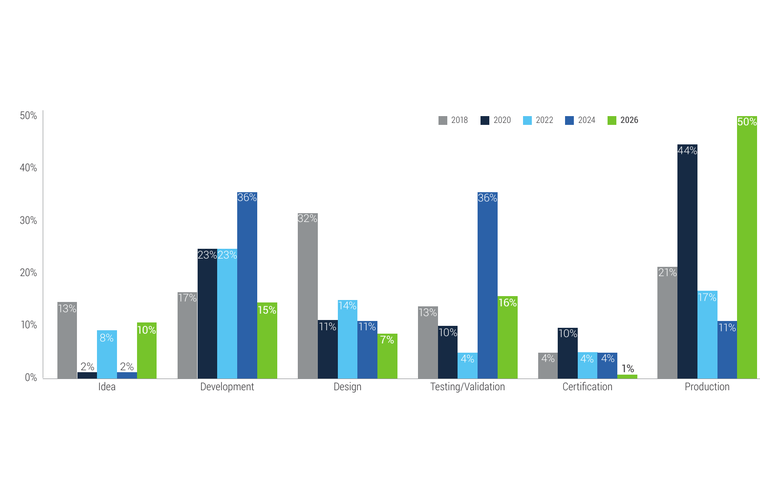
Jabil’s 2026 digital health survey: Confidence in AI’s potential rises as confidence in internal readiness falls
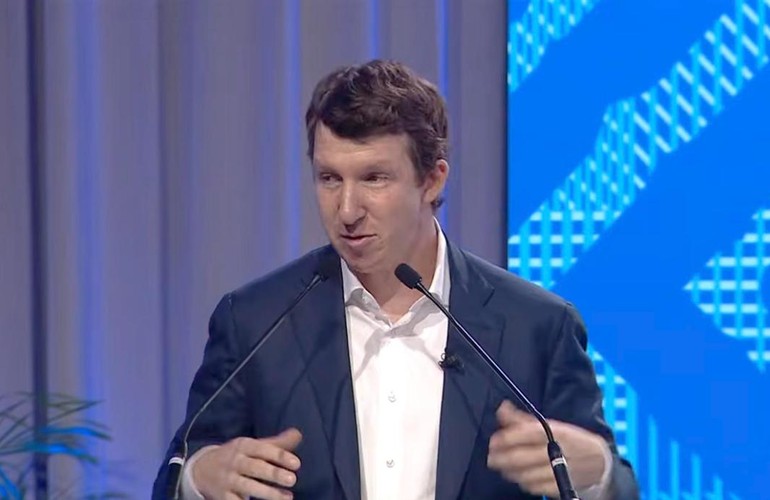
Anthropic co-founder Jack Clark says a billion virtual scientists are coming. Or 10 billion.
1 in 4 data centers sits in a water-stressed area. Few states track how much water they use
Anthropic joins the race for AI agents that keep working between conversations

How Porsche turns rare road events into repeatable AI tests with NVIDIA
Northwestern and Western Digital demonstrate a new way to write magnetic memory
NSF commits $76 million to near-market wireless projects, more than double its target

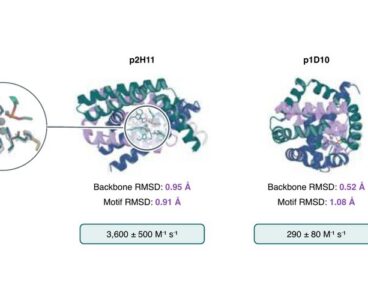
NVIDIA and UW’s protein design model produces 158 binders from 188 designs
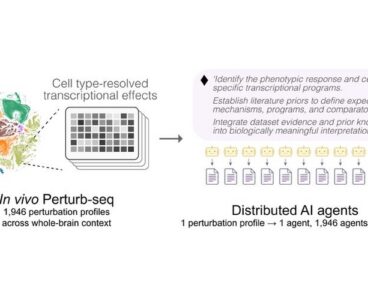
OpenAI deploys nearly 2,000 GPT-Rosalind agents to generate biological research leads in 32 minutes
Physics See More >
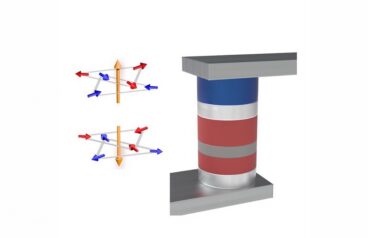
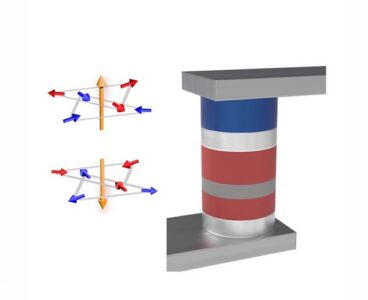
Northwestern and Western Digital demonstrate a new way to write magnetic memory
Northwestern and Western Digital wrote and read antiferromagnetic tunnel junctions with an electrical current at room temperature, reaching 363% TMR.
How a Duke-led HPC method brought cell-scale cancer simulation to a single cloud node
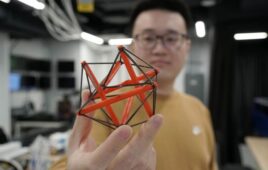
Princeton researchers uncover hidden mathematical link between origami and structural design

NTT Research taps Tetsuomi Sogawa to lead PHI Lab as optical-computing work advances

IBM physicist and Montreal computer scientist share Turing Award for quantum information breakthroughs
Sponsored Content See More >
Operational discipline is a critical determinant of clinical utility for neurologic monoclonal antibodies
By Bill Holt, DO, Vice President, Neuroscience Therapeutic Area, ICON For neurologic monoclonal antibodies (mAbs), the scientific hurdle is no longer the primary barrier to success. Increasingly, operational execution—not efficacy—determines whether these therapies reach patients at scale. From multiple sclerosis (MS) to neuromyelitis optica spectrum disorder (NMOSD) to early Alzheimer’s disease, mAbs have moved from…


Life Science See More >
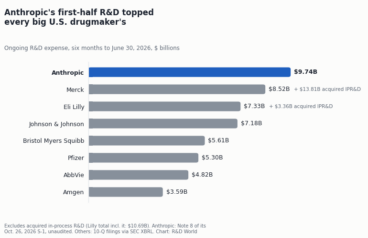
Anthropic’s R&D budget now rivals Eli Lilly’s
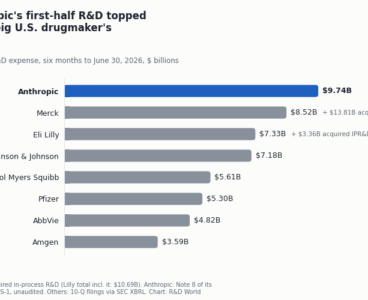
Anthropic’s S-1 shows $9.74B of first-half R&D, more than any big U.S. drugmaker’s ongoing R&D, and $14.2B over 12 months, near Eli Lilly’s.
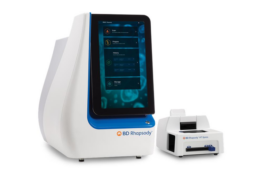
100 million data points per blood sample: How IMU will profile immunity across 80,000 UK Biobank donors
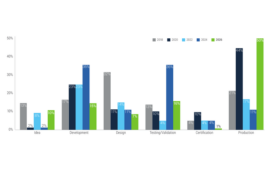
Jabil’s 2026 digital health survey: Confidence in AI’s potential rises as confidence in internal readiness falls
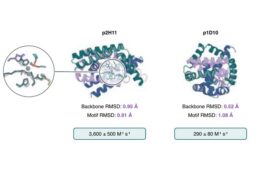
NVIDIA and UW’s protein design model produces 158 binders from 188 designs
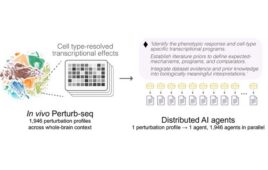
OpenAI deploys nearly 2,000 GPT-Rosalind agents to generate biological research leads in 32 minutes
Nanotechnology See More >
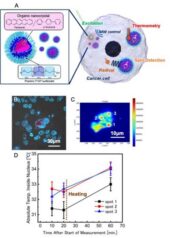
Researchers developed quantum nanosensors that can measure the temperature of a single cell
Researchers have developed molecular quantum nanosensors (MoQNs) designed to operate in the cytoplasm and nuclei of living cancer cells to map radical-generation processes and thermal dynamics that are linked to cancer-associated cellular physiology. The sensors use molecular-level uniformity to achieve a threefold enhancement in spectral resolution and superior thermometric specificity. The platform enables absolute temperature…

Energy See More >
INL’s $60 million nuclear AI project will spend the first year testing where AI agents can help and where they might hurt
Idaho National Laboratory (INL) is collaborating with Argonne, Oak Ridge and Sandia National Laboratories, as well as four universities and more than 20 industry partners, on a three-year project to bring agentic AI to nuclear engineering. The principal investigator said the project, called Prometheus, will aim to compress the time to get a nuclear power…
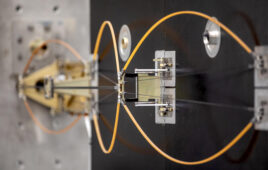
One SwRI R&D 100 winner turns buckled fiberglass into a spacecraft truss. The other models freight rail with 900 hours of BNSF field data
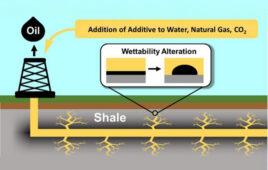
Inside the Lab: NETL’s Oil and Gas Center of Excellence focuses on technologies to enhance production
Inside S&C Electric’s and Argonne National Lab’s CRADA partnership
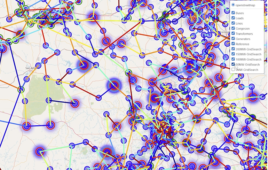
As U.S. power demand surges, Brookhaven taps AWS in aim to drive 20-100x faster power grid decision-making with GridSearch AI
Chemistry See More >
150 years of CAS chemistry data comes to Microsoft Copilot
CAS Connections brings the CAS Content Collection and CAS Newton into Microsoft 365 Copilot through a federated MCP connector tied to CAS subscriptions.

AI is wreaking havoc on math and coding. Where could it have the biggest impact next?
R&D 100 Researcher of the Year Parans Paranthaman on superconducting tape, oilfield lithium and getting discoveries into production
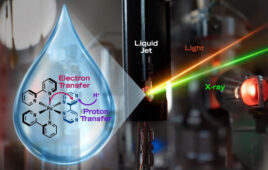
PNNL scientists used ultrafast X-ray spectroscopy to capture PCET reaction in new detail
Inside the Lab: NETL’s Oil and Gas Center of Excellence focuses on technologies to enhance production
Material Science See More >
Northwestern and Western Digital demonstrate a new way to write magnetic memory
Northwestern and Western Digital wrote and read antiferromagnetic tunnel junctions with an electrical current at room temperature, reaching 363% TMR.
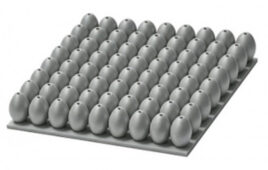
Eggshell-inspired shield cut projectile speed by 65% in simulation, but light-gas gun testing has not confirmed it
One SwRI R&D 100 winner turns buckled fiberglass into a spacecraft truss. The other models freight rail with 900 hours of BNSF field data
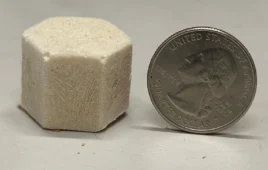
Researchers develop sawdust-based foam as polystyrene bans force industry to adapt
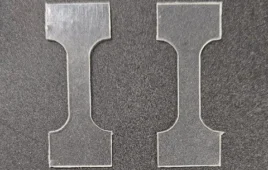
Researchers develop compostable PLA that potentially could be used for biomedical applications
Semiconductors See More >
Northwestern and Western Digital demonstrate a new way to write magnetic memory
Northwestern and Western Digital wrote and read antiferromagnetic tunnel junctions with an electrical current at room temperature, reaching 363% TMR.
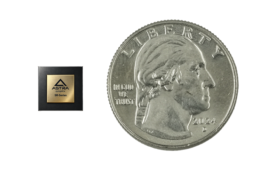
Google teases Synaptics edge AI chip ahead of Oct. 20 launch
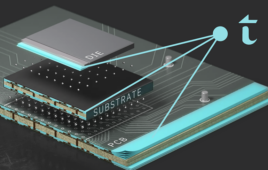
Materials startup Thintronics takes aim at Ajinomoto’s chip packaging film, with surging AI demand widening the opening

OpenAI and Synopsys plan a specialized model for chip design
Startup Architect Labs says its AI-designed chip beats NVIDIA’s Jetson Orin Nano
Aerospace See More >
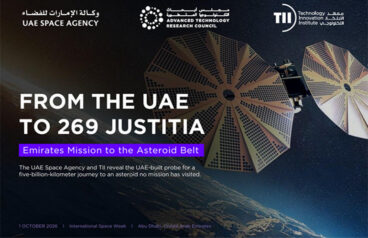
The UAE’s new space probe will crash into the asteroid it’s designed to study
The Technology Innovation Institute (TII) calls its new probe “asteroid-landing,” but its engineers don’t expect it to survive hitting 269 Justitia, a 58-km-wide asteroid in the main belt between Mars and Jupiter that the United Arab Emirates’ newly announced mission will study. Anton Ivanov, executive director of TII’s Propulsion and Space Research Center, said the…
Semiconductors, biomanufacturing and dual-use tech fill ISS National Lab’s startup cohort
Eggshell-inspired shield cut projectile speed by 65% in simulation, but light-gas gun testing has not confirmed it
The 100 most innovative companies of 2026: from NVIDIA and OpenAI to Eli Lilly and SpaceX